What I Wish Every Incoming Freshman Knew Before Starting College
By Adriana Estrada
Bio: Adriana Estrada is a business student at the University of Illinois who enjoys learning about marketing, social media, and how businesses communicate with their audiences.
Starting college is one of the biggest transitions many students experience. For many freshmen, it is the first time living away from home, managing their own schedules, and making important decisions about their future. While college can be exciting and full of new opportunities, it can also feel overwhelming at first. Suddenly, you have much more freedom than you did in high school, but that freedom also comes with new responsibilities.
Because of this, many freshmen enter college without fully realizing how different it can be. Classes may be more challenging, professors expect more independence, and you have to learn how to balance schoolwork with social activities and other commitments. It is very easy to fall into habits like procrastinating, skipping class, or losing track of deadlines. Once those habits start forming, it can be difficult to break them.
In the video “7 Things Every College Freshman Should Know,” several lessons are shared that can help new students adjust to college life and avoid common mistakes. These ideas focus on building good habits, managing responsibilities, and taking advantage of the opportunities that college offers. Understanding these lessons early can help you make the most of your first year and set yourself up for a much smoother college experience.
Actually Go to Class
One of the most basic pieces of advice for college freshmen is also one of the easiest to ignore, actually going to class. When you start college, you suddenly have much more freedom than you did in high school. No one is making sure you wake up in the morning, and professors usually are not checking attendance every day. Because of this, it can be tempting to skip class, especially when staying in bed feels like the better option.
However, skipping class regularly can quickly make things harder than they need to be. Lectures often include explanations and examples that are not always fully covered in textbooks or slides. Being in class also gives you the chance to ask questions, participate in discussions, and better understand the material.
It sounds simple, but showing up consistently makes a big difference.
Attending class can also help you stay motivated and organized throughout the semester. When you regularly attend lectures, it becomes easier to follow the course material and keep up with assignments. Missing one class might not seem like a big deal, but missing several can quickly make it much harder to catch up. Being physically present in class also helps you stay connected to what is happening in the course. You hear announcements, see examples explained step-by-step, and get reminders about upcoming deadlines. Even when slides or recordings are posted online, attending class in person often helps you stay more engaged and focused on the material.
Honestly, this advice might sound obvious, but it is one of the habits that separates students who stay on track from those who struggle during their first year.
Time Management Is the Real Challenge
One of the biggest adjustments for many freshmen is learning how to manage their time. In college, professors usually do not remind you about every assignment or check that you are keeping up with your work. Because of this, it becomes your responsibility to stay organized and keep track of deadlines. It is very easy to fall into habits like procrastinating, skipping class, or losing track of deadlines. And when you do fall into this hole, it can be difficult to get out. Without good time management, assignments can start piling up quickly, which often leads to unnecessary stress later in the semester.
Developing simple habits early can make a big difference. Using a planner, setting reminders, or creating a weekly schedule can help you stay organized and keep track of important deadlines. Breaking larger assignments into smaller tasks can also make them feel more manageable and help you avoid last minute pressure.
Good time management is not just about studying more, it is about studying smarter. When you plan your time effectively, you maintain a healthier balance between school and personal life. Over time, these habits make college feel much more manageable.
Another helpful strategy for managing your time is knowing when to use the resources available on campus. Colleges also provide many campus resources that are designed to support students academically and personally. Tutoring centers, academic advising, career services, and counseling resources are available to help students navigate challenges and plan for the future.
For many freshmen, these resources can be especially helpful during the first year when everything still feels new. If you are struggling with a class, feeling overwhelmed with assignments, or unsure about your academic plan, these services can help you stay organized and move forward with more confidence. Sometimes asking for help is the best way to save yourself hours of stress later. Taking advantage of these resources early can make it easier to stay on track and succeed during your college years.
Read: How to Standout in a Saturated Social Media Market
Talking to Professors Actually Helps
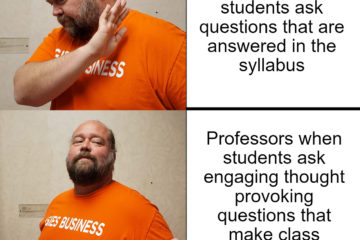
Many freshmen feel intimidated by their professors and hesitate to approach them outside of class. Large lecture halls and unfamiliar faces can make professors seem distant or unapproachable at first. Because of this, some students avoid asking questions or seeking help when they need it.
But here’s the thing.
Professors are actually one of the most valuable resources you have during college.
One of the best ways to connect with professors is by attending office hours. Office hours give you the chance to ask questions about course material, clarify assignments, or discuss topics from class in more depth. Even if you understand the material, these conversations can still be helpful because they show that you are engaged and interested in learning.
Many students are surprised by how approachable professors actually are once they start talking with them. Professors spend years studying and teaching the subjects they care about, and many genuinely enjoy discussing those topics with students who are curious and interested. Sometimes a short conversation after class can turn into helpful advice, academic guidance, or even mentorship throughout your college experience.
Professors can also help you beyond the classroom. They may know about research opportunities, internships, or career paths related to their field. They might even write recommendation letters for internships, scholarships, or graduate programs later on. Building those relationships early can make a big difference when opportunities start appearing later in your college years.
Although it may feel uncomfortable at first, introducing yourself after class or asking a question during office hours can make a big difference. Even a small conversation can help you feel more confident reaching out again in the future. Professors can seem intimidating at first, but I promise they don’t bite. Many professors genuinely want to see their students succeed.
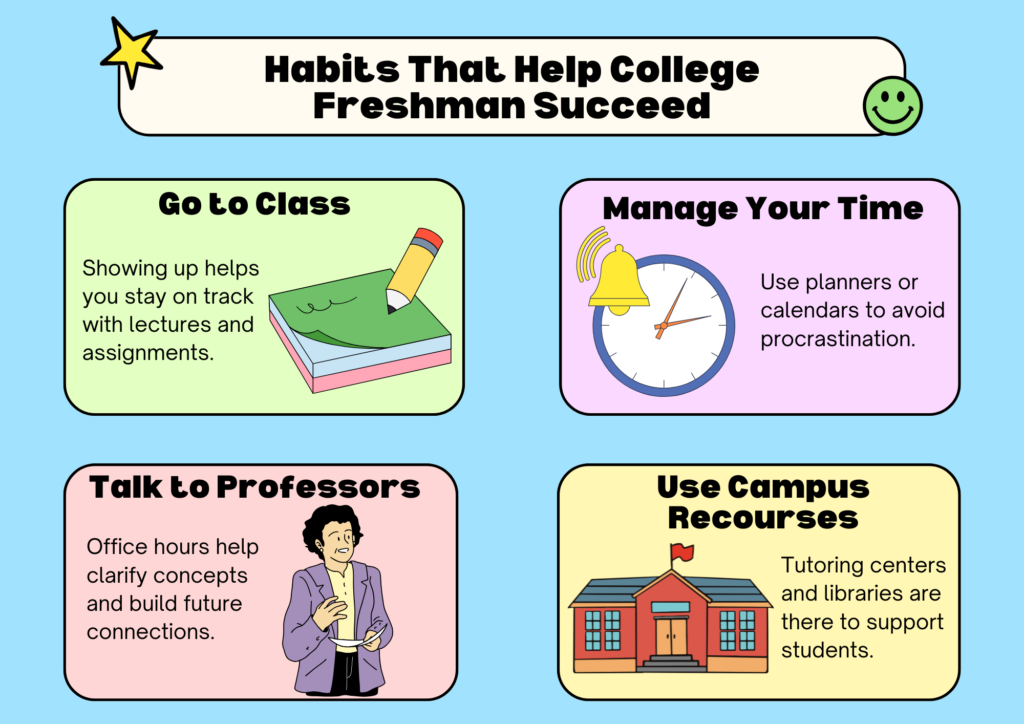
Infographic 1: Habits That Help College Freshman Succeed
College Is More Than a Classroom
College is not only about attending lectures and completing assignments. It is also a time when you can explore your interests, meet new people, and gain experiences that help shape your future. While academics are important, many of the most meaningful parts of college happen outside the classroom.
Getting involved in clubs, student organizations, or campus events can help you feel more connected to your school. Joining a club related to your interests or major allows you to meet people who share similar goals and passions. For many students, these groups become a place where friendships form and a sense of community develops. It also helps you meet people beyond the small group of classmates you see every week. College campuses are full of students from different backgrounds, majors, and interests, and getting involved in activities makes it much easier to expand your social circle.
Involvement outside the classroom can also help you develop valuable skills. Leadership roles in organizations, volunteering opportunities, and group activities can build communication, teamwork, and problem-solving abilities. These experiences often teach practical skills that you may not always learn during lectures.
These experiences can help you develop skills such as:
- Leadership
- Communication
- Networking
- Teamwork
These are the kinds of skills that employers often look for when students start applying for internships or jobs. Getting involved during college can help you build confidence and experience that will be valuable long after graduation. Who knows, you might join a club just to try something new and end up discovering an interest you didn’t even know you had.
Your Bank Account Will Notice
For many freshmen, college is the first time they are responsible for managing their own money. Without parents reminding you about spending or saving, it can be easy to lose track of how quickly small purchases add up.
Think about it.
A quick coffee between classes, a late-night food run, or ordering something online might not seem like a big deal at the moment. But those small expenses can start adding up faster than you expect.
Read: How to Blow your Personal Brand
Suddenly the dining hall doesn’t look like such a bad option after all.
Learning to manage money early in college is an important life skill. Creating a simple budget or keeping track of your spending can help you understand where your money is going. Even small adjustments in spending habits can make a noticeable difference over time. Learning how to manage your money is also part of becoming more independent during college.
Some helpful financial habits include:
- Tracking your weekly spending
- Limiting unnecessary purchases
- Planning meals instead of eating out constantly
- Setting small savings goals
Many students find that simply paying attention to where their money goes can change how they spend it. When you start noticing how quickly small purchases add up, it becomes easier to make smarter decisions about when to spend and when to save. These habits may seem small now, but they can make managing money much easier later in life. Developing these skills during college can help you build financial responsibility that will benefit you long after graduation.
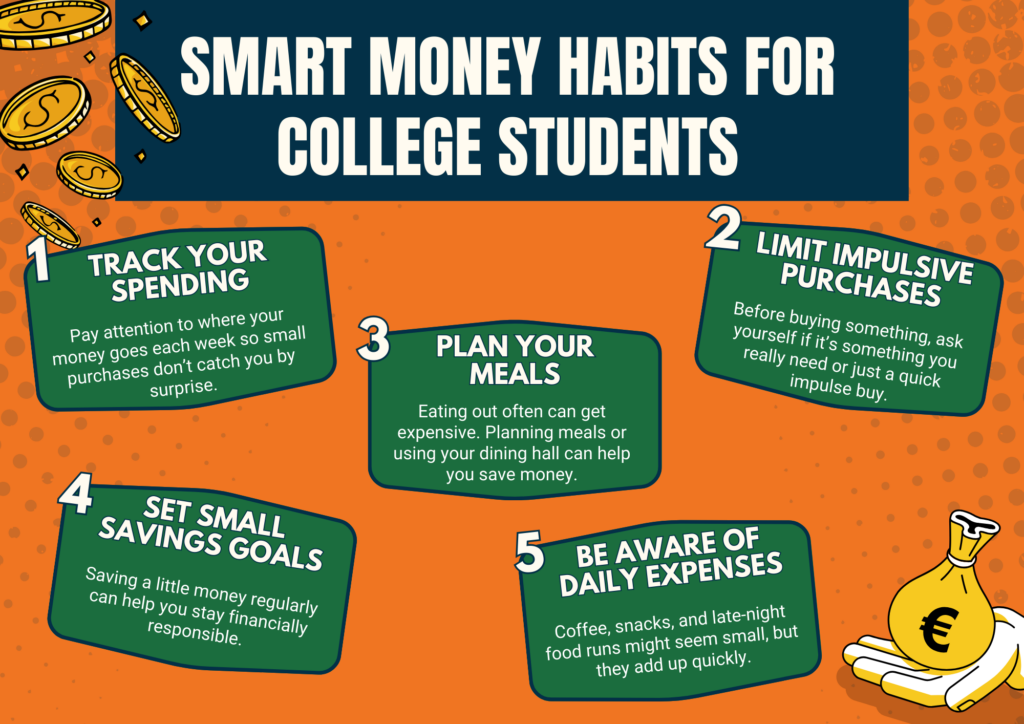
Infographic 2: Smart Money Habits for College Students
Future You Will Thank You
During freshman year, graduation can feel very far away. Most students are focused on adjusting to college life, meeting new people, and figuring out how everything works, and honestly, that is completely normal. However, thinking about your future early in college can still make a big difference. This does not mean you need to have your entire career planned out right away. Instead, it means starting to explore opportunities that might help you later.
College offers many chances to gain experience that can help prepare you for your future career. Attending career fairs, participating in internships, networking with professionals, or talking to professors about opportunities can help you learn more about potential career paths. Networking may sound intimidating at first, but it is often one of the best ways to discover opportunities. Simply introducing yourself, asking questions, or showing interest in someone’s work can sometimes lead to internships, mentorship, or valuable advice.
Even small steps during freshman year can make a difference. Attending an informational event, joining a professional organization, or asking questions about different career options can help you discover what interests you and what direction you may want to pursue. Future goals may seem distant during freshman year, but the habits and experiences you build early can shape your opportunities later on. The experiences you gain now can help guide your decisions and make the transition after graduation much smoother.
In the future, you will probably be grateful that you started thinking about these things sooner rather than later.
Final Thoughts
Starting college can feel overwhelming at first, especially when you are adjusting to new responsibilities and independence. Suddenly you are managing your own schedule, making decisions about your time, and balancing academics with everything else college life offers.
The good news is that small habits can make a big difference.
Going to class regularly, managing your time, building relationships with professors, getting involved on campus, and learning to manage your money are all habits that can help make your college experience smoother and more rewarding. No one expects freshmen to have everything figured out right away. In fact, figuring things out is part of the experience.
College is a time to learn, explore new interests, and develop skills that will help you long after graduation. The habits you build during your first year can shape the rest of your college experience and even influence the opportunities you have later on. Taking advantage of the resources and opportunities around you can help you grow both academically and personally. The more willing you are to take initiative and step outside your comfort zone, the more you will gain. So developing strong habits early can help you avoid some common mistakes and make the most of everything college has to offer.