Standing out in a Saturated Social Media Market: What Young Professionals Need to Know
By CyAnne Murray
CyAnne Murray is a Marketing student at the University of Illinois at Urbana-Champaign with an interest in digital marketing, branding, and creative strategy.
Standing out in a Saturated Social Media Market
In today’s digital world, it feels like everyone is trying to build a brand online. Whether there is someone who wants to become a content creator or start a business, social media has become one of the most powerful tools available. However, this also creates the challenge of the market becoming incredibly crowded.
Every day there are millions of posts that are uploaded across platforms like Instagram, TikTok, YouTube, and LinkedIn. Because of this, many aspiring creators and entrepreneurs begin to ask the same question of, “How do you actually stand out?”.
The video, “How to Stand Out in a Saturated Social Media Market” explores this exact issue. It explains why the market feels saturated and what individuals and brands can do to differentiate themselves online. While the video provides helpful foundational advice, this blog elaborates on those ideas and connects them to broader marketing strategies that young professionals and students can apply today.
Understanding how to stand out online is not just important for influencers and content creators. It is increasingly relevant for marketers, entrepreneurs, job seekers, and other business professionals. Personal branding and digital presence are actually becoming essential parts of modern careers.
In this blog, we will explore why social media markets feel saturated, the importance of authenticity and niche positioning, strategies businesses and individuals can use to stand out, and what college students and young professionals should learn from this. By understanding these principles, individuals can better navigate the competitive digital landscape and build stronger brands online.
Why Social Media Feels So Saturated
One of the biggest reasons people struggle to grow online is the overwhelming amount of content being produced every day. Social media platforms like Instagram, or TikTok are designed to make it incredibly easier for anyone to constantly create, post, and engage with content. All someone really needs is a smartphone, an internet connection, and form an idea. Because of this low barrier to entry, millions of individuals and businesses are now competing for attention online.
The barrier to entry to content creation is extremely low. Anyone with a smartphone can start posting videos and sharing opinions. As a result, millions of people are competing for the same attention. However, an important insight from the video is that the markets are not truly “too saturated.” Instead, many creators fail because they struggle to differentiate themselves from others. This concept also exists in traditional business strategy. Many industries appear crowded at first glance, yet companies still manage to succeed by offering something different.
Despite this competition, new businesses still succeed every year. They do so, not because the market suddenly becomes less crowded, but because they find ways to differentiate themselves. Some companies focus on superior customer experience, while others emphasize innovative design, affordability, or strong brand storytelling.
A well-known example is Apple. When Apple entered the personal computer and smartphone markets, those industries were already filled with competitors. Instead of trying to be identical to existing companies, Apple focused heavily on product design, simplicity, and brand identity. This clear positioning helped the company stand out even in a competitive environment.
Other examples to consider for this include, Netflix entering a crowded entertainment industry but emphasized convenience and streaming. Then, Nike competes in a saturated athletic apparel market but differentiates itself through storytelling and branding is another example to consider.
These examples demonstrate that success often comes from positioning and branding, not simply being the only option.
The Importance of Authenticity
One of the most important ways to stand out in a crowded market is authenticity. Consumers today are highly skeptical of overly polished or artificial content. Instead, they prefer brands and creators that feel genuine and relatable.
Research in marketing shows that authenticity plays a major role in consumer trust and brand loyalty. In fact, many consumers report that authenticity is one of the main factors influencing which brands they support. Authenticity can take many forms online through sharing personal experience or stories like, showing behind-the-scenes processes, being transparent about challenges and failures, and communicating honestly with audiences. Some explicit examples of this would be “POV”, “Get Ready with Me (GRWM)”, exploring different places (food, local arcades, museums, etc) videos.
Rather than trying to imitate other successful creators, individuals often benefit more from learning into their own personality and perspectives. For example, many successful influencers build communities not just because of their expertise, but because audiences connect with their unique style and personality. This type of connection is much harder for competitors to replicate because everyone’s experience differentiates when it comes to creating content.
Finding and Owning Your Niche
Another key concept of standing out online is prioritizing your niche. Many new creators make the mistake of trying to appeal to everyone. While this may seem logical, it often leads to content that feels generic and forgettable. Instead, successful brands usually focus on a specific audience. In a digital environment where audiences are exposed to thousands of posts every day, having a clear niche helps creators differentiate themselves from the overwhelming amount of content online. When creators try to appeal to everyone, it becomes difficult for audiences to understand what their content is really about. However, when a creator clearly defines their niche, their messaging becomes easier to recognize and remember.
Focusing on a niche also helps with developing a stronger identity across platforms. Instead of posting a wide variety of unrelated content, they can build a consistent theme that audiences begin to associate with their brand. Over time, this consistency helps build trust with viewers and encourages them to continue following the creator’s content.
A niche helps creators develop clearer messaging, attract a specific target audience, build stronger communities, and establish authority within a topic area. For example, instead of creating general “fitness content”, a creator may focus more on fitness for college students, home workouts for busy professionals, or strength training for beginners. By narrowing the focus, the creator becomes more recognizable and relevant to their target audience. Businesses use the same strategy. Rather than competing in broad markets, many companies identify gaps in the market and develop specialized offerings to fill those gaps.
This approach is commonly used in marketing strategy. Companies often analyze consumer behavior to identify underserved groups within larger markets. By focusing on these smaller segments, businesses can create products or services that feel more tailored to their customers.
Ultimately, finding and owning a niche allows creators to develop a clearer identity and provide more meaningful value to their audience. Instead of getting lost in a crowded space, they become known for specific types of content that audiences can easily recognize and trust.
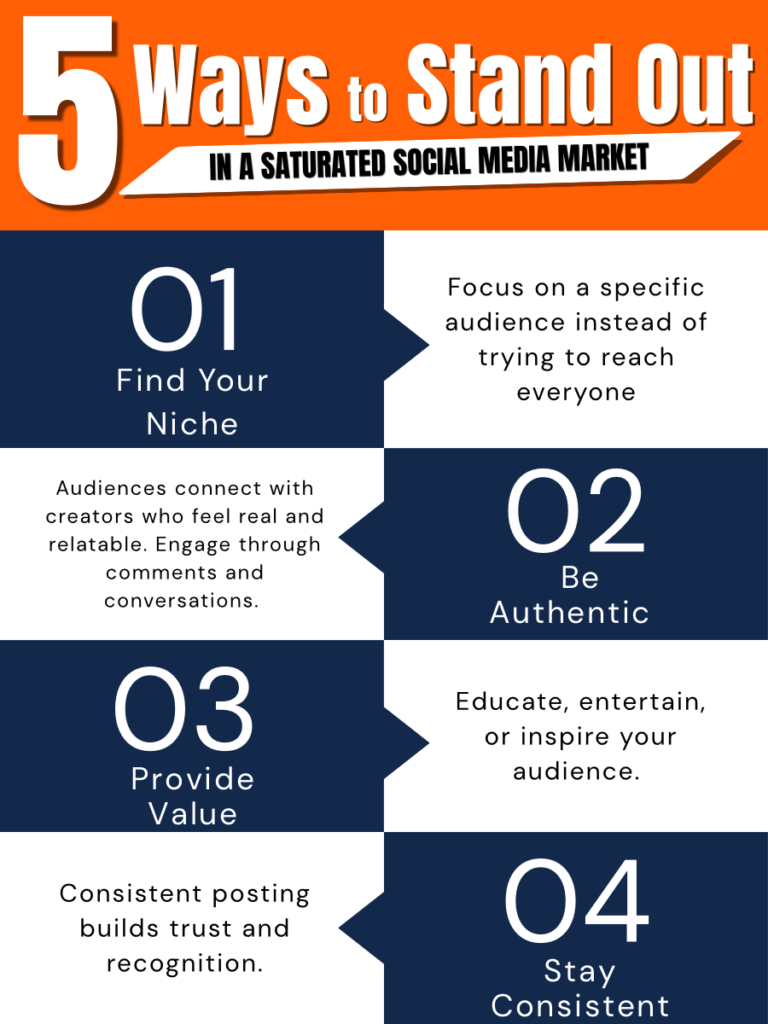
(Infographic #1)
The Power of Providing Value
One of the most consistent pieces of advice across digital marketing is simple. You have to provide value to your audience in order to reach audience retention. Content that performs well online typically falls into one of three categories being educational, entertaining, and inspirational.
Educational content helps audiences learn something new. Entertaining content keeps audiences engaged and emotionally connected with it. Inspirational content motivates people and creates positive associations with a brand. Creators who consistently deliver value are far more likely to build and maintain loyal audiences than those who simply post content for attention.
This is why many successful creators focus on solving problems for their audience. When viewers feel that a creator’s content improves their knowledge, productivity, or mood, they are more likely to follow and share that creator’s work.
If you think about those organizing videos where someone is restocking their refrigerator or snack cabinets, they are entertaining enough for people that enjoy cleaning and inspires them to organize a part of their homes or, if the video is marketing a specific type of product for organization, it will inspire them to buy the product so they could have access to a better way of organizing their homes.
Consistency Matters More Than Virality
Many people entering social media focus heavily on going viral. However, long-term success often comes from consistent content creation instead of just one viral moment.
Consistency helps creators improve their content skills, build audience familiarity, develop trust with followers, and understand what content resonates with viewers. In marketing, this concept is often referred to as brand consistency. When brands consistently communicate their message and values, they become easier for consumers to recognize and remember.
For example, brands like Coca-Cola and Nike maintain consistent messaging across advertising campaigns, which strengthens their identity over time.
Similarly, content creators who consistently post within their niche are more likely to develop loyal audiences than those who post randomly or inconsistently.
Read: How to Protect Your YouTube Videos from Getting Stolen
Building a Personal Brand
Another key takeaway from the video is the importance of personal branding. A personal brand represents how individuals present themselves professionally online. In the modern workforce, personal branding can influence job opportunities, business growth, professional networking, and career advancement.
For college students and young professionals, social media can act as a digital portfolio. Platforms such as LinkedIn, TikTok, and YouTube allow individuals to showcase expertise and creativity. For example, marketing students of what marketing students may share in their digital portfolio are marketing analysis of brands, social media strategy insights, content creation tips, or case studies of campaigns.
By consistently posting valuable insights, students can build credibility within their field before even entering the workforce.
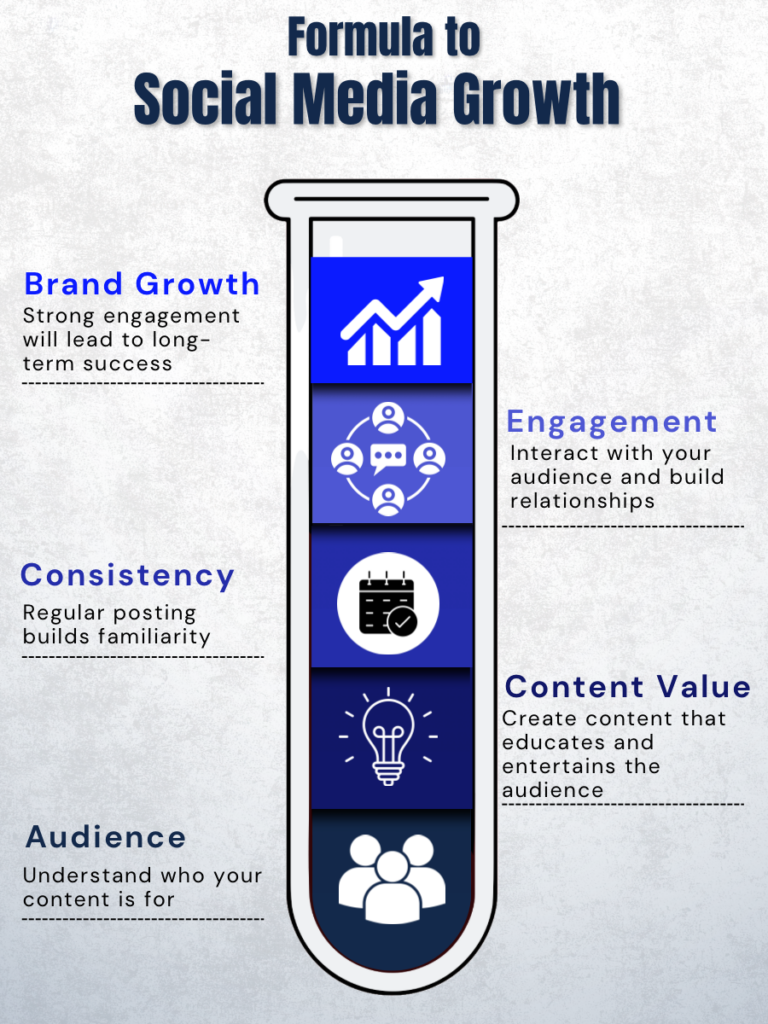
(Infographic #2)
What Young Professionals Should Learn from This
The lessons from this video go far beyond influencer culture. In fact, they highlight several important principles that apply to modern careers.
First, differentiation is essential in nearly every industry. Whether someone is launching a business, applying for jobs, or building a brand, standing out requires more than simply participating in the market.
Second, authenticity and storytelling are becoming more valuable everyday. Audiences and employers that are similar are drawn to individuals who communicate their values and perspectives clearly.
Third, consistency and long-term strategy matter more than short-term attention. Sustainable growth typically comes from repeated effort rather than one viral success.
For students entering competitive industries such as marketing, media, entertainment, understanding these concepts can provide a significant advantage.
Read: How to Do a SWOT Analysis THE RIGHT WAY that will make a difference for your business.
Final Takeaways
Standing out in a saturated social media market may seem difficult, but it is far from impossible. In fact, the growth of digital platforms continues to create new opportunities for creators and professionals.
The key is not trying to compete with everyone, but instead focusing on what makes your perspective and value unique.
Some things I learned from the video are that:
- Social media markets feel saturated because content creation is easier than ever.
- Authenticity helps build trust and stronger connections with audiences.
- Finding a niche makes it easier to stand out and attract the right audience.
- Providing consistent value is essential for long-term growth.
- Personal branding can create powerful career opportunities for young professionals.
For students and incoming professionals, understanding these strategies can help transform social media from being a crowded space into a powerful environment for growth and opportunity.