Why You’re Not Getting Engagement (And How to Fix It): A Guide for Content Creators
Daisy Torres
Senior Marketing Student, University of Illinois Urbana-Champaign
Hi, I’m Daisy Torres, a senior studying marketing at the University of Illinois Urbana-Champaign. Through my experience working with social media and content, I’ve noticed how unpredictable engagement can feel. Sometimes you put a lot of effort into a post, and it gets little interaction, while other times something simple performs really well. I’ve experienced this both personally and through managing content for organizations, where posts we thought would do well didn’t, and others randomly took off. That made me start thinking more about what actually drives engagement. In the video “How to Improve Audience Engagement on YouTube (and Why It Matters),” the creator shares practical strategies to get people to like, comment, and interact more with content. In this blog, I’ll break down those ideas and expand on why they work, especially for college students and anyone trying to grow their presence online.
Why Engagement Actually Matters (More Than You Think)
One of the biggest takeaways from the video is that engagement matters more than views, and I think this is something people hear all the time but don’t fully understand.
When we post content, the first thing we usually check is how many views it got. If the number is high, we assume it performed well. But views can be misleading. Someone can scroll past your video, watch a few seconds, and move on—and that still counts.
Engagement is different.
Engagement means someone:
- stopped scrolling
- paid attention
- felt something
- and decided to respond
That’s a completely different level of interaction.
The video explains that engagement is harder to get because it requires effort. Watching is passive, but commenting or liking requires action. That action is what makes engagement more valuable. From a marketing perspective, engagement builds relationships. And relationships are what actually matter long term. If people are engaging with your content, it means they trust you enough to interact.
I’ve started to think of it like this: views are exposure, but engagement is connection. And connection is what actually grows a brand.
Read more here: Why Engagement Matters More Than Reach
Why People Don’t Engage (Even When They Like Your Content)
Something I’ve realized, and something the video hints at, is that people don’t engage by default.
Even if they like your content.
Think about how many times you’ve:
- watched a video all the way through
- agreed with it
- maybe even laughed
…but still didn’t like or comment.
That’s completely normal.
Because engaging takes effort. It requires someone to stop, think, and respond. And most people just don’t take that extra step unless they’re given a reason.
This is where most creators go wrong.
They assume that if content is good, people will engage. But that’s not how it works.
Good content gets viewed.
Strategic content gets engagement.
That’s a really important difference.
At its core, the video highlights a simple idea: people engage when they feel heard, valued, and included. All of the strategies discussed: asking questions, responding to comments, creating relatable content, connect back to this idea. People want to feel like their input matters. In today’s digital environment, where users are constantly scrolling, connection is what stands out. Content that makes people feel included is more likely to get attention and interaction. This idea shifts how we think about content. It’s not just about what you post, it’s about how your audience feels when they interact with it.
Asking Questions: The Simplest Way to Drive Engagement
One of the easiest strategies from the video is also one of the most effective: asking questions.
But not just any questions; questions that are:
- simple
- direct
- easy to answer
For example:
- “What’s your biggest struggle with posting?”
- “Do you agree or disagree?”
- “Comment ‘yes’ if this applies to you”
These work because they remove the pressure of thinking.
Instead of asking someone to come up with something to say, you’re giving them a clear way to respond.
And honestly, this makes a huge difference.
If a caption says:
“Let me know your thoughts”
Most people won’t respond.
But if it says:
“What’s one thing you struggle with?”
That’s easier. It feels more approachable.
Sometimes people want to engage but don’t know what to say. Giving them a clear prompt lowers that barrier. From my own experience, I’ve noticed that when a post gives me a specific way to respond, I’m much more likely to interact with it. I’ve also seen this when running social media pages; posts that directly ask something almost always outperform posts that don’t. Even something as small as ending a caption with a question can shift engagement levels. At the end of the day, people don’t engage because they’re told to; they engage because they’re invited to.
Relatable Content: Why Familiarity Drives Interaction
Another major idea from the video is creating relatable content.
And this is probably one of the biggest drivers of engagement today.
Because when something feels relatable, people don’t just watch it: they recognize themselves in it.
That’s when you see comments like:
- “this is literally me”
- “I thought I was the only one”
- “why is this so accurate”
That kind of engagement comes from connection, not perfection.
For college students, this is especially important.
Content about:
- stress
- internships
- procrastination
- relationships
- figuring out your future
…does well because it reflects real experiences.
And the more real something feels, the more likely people are to engage.
I think this is also why overly polished content doesn’t always perform the best. Sometimes content that feels casual or honest actually does better, because it feels more authentic. A main driver will always be connecting with the audience in an intentional and authentic manner that truly resonates with them.
People don’t always engage with what’s the most impressive; they engage with what feels the most real.
Opinions & “Hot Takes”: Giving People Something to Respond To
The video also talks about sharing opinions, which is another strong way to drive engagement.
Because people respond to perspective.
If your content is too neutral, there’s nothing for people to react to.
But when you say something like:
- “Networking matters more than GPA”
- “Internships are overrated”
- “This is the biggest mistake students make”
Now people have something to say.
They might agree, disagree, or add their own experience.
And that creates conversation.
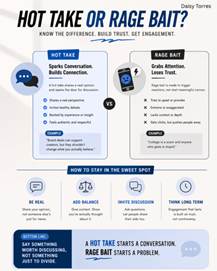
But there’s a balance here.
There’s a difference between:
- sharing a real opinion
and - trying to be controversial just for attention
The goal isn’t to create arguments: it’s to invite discussion.
And when done right, opinions can turn passive viewers into active participants.
However, it’s important to avoid being overly negative or controversial just for attention. While that might generate engagement in the short term, it can damage credibility over time. The goal is to create meaningful conversation, not unnecessary conflict.
Read more about the slippery slope of rage baiting content style here: Don’t Take the (Rage) Bait — How Marketers Can Take Social Responsibility
Making Engagement Easy: Why Format Matters
Another key point from the video is using interactive formats.
Things like:
- polls
- Q&A
- quick prompts
These work because they lower the barrier to engagement.
Clicking a poll takes one second. Writing a comment takes more effort.
So naturally, more people will engage with the easier option.
This is something you see across platforms. Instagram stories, TikTok prompts, and YouTube community posts all rely on this idea.
The takeaway here is that engagement isn’t just about content quality; it’s also about accessibility.
Ultimately, the format of your content can be just as important as the content itself. If people don’t have to think too hard about how to engage, they’re much more likely to do it. Making engagement simple isn’t cutting corners: it’s meeting your audience where they are.
If engaging feels easy, people are more likely to do it.
Responding to Comments: Where Real Engagement Happens
One of the most important takeaways from the video is responding to comments.
Because engagement doesn’t stop when someone comments, it actually starts there.
A lot of creators focus on getting engagement, but not on maintaining it.
When you reply to comments, you’re:
- acknowledging your audience
- building relationships
- encouraging future interaction
It also creates momentum.
When people see that others are commenting and getting responses, they’re more likely to join in.
So engagement builds on itself.
This is what turns content into a community.
This is where engagement shifts from numbers to relationships. When people feel like there’s a real person behind the content, they’re more likely to keep coming back and interacting. Over time, that consistency builds loyalty, not just engagement. It also helps turn one-time viewers into people who genuinely want to be part of your content.
Consistency & Timing: Why Strategy Still Matters
Even though content is important, the video also highlights that consistency and timing matter.
Posting consistently helps build familiarity. People start to recognize your content and expect it.
Timing also matters.
If you post when your audience isn’t active, your content might not get seen at all.
Which means:
- no engagement
- no interaction
So even great content can fail if it’s not posted strategically.
This shows that engagement is both:
- creative
and - strategic
You need both for it to work.
At the end of the day, even the best content needs the right timing to succeed. Being strategic about when and how often you post gives your content the opportunity to actually perform. Without that structure, even strong ideas can go unnoticed. Consistency and timing work together to make sure your content shows up when it matters most.
This shows that engagement isn’t just about what you post: it’s also about when and how you post it. To expand on this, read: Why Content Consistency Is Key To Your Marketing Strategy
The Bigger Idea: People Engage When They Feel Included
If there’s one idea that connects everything in the video, it’s this:
People engage when they feel included.
Every strategy we talked about supports that:
- questions include the audience
- relatability makes people feel seen
- responses make people feel valued
- opinions invite participation
At the end of the day, people don’t just want to consume content.
They want to feel like they’re part of it.
This idea ties everything together and explains why some content performs better than others. When people feel like they are part of the conversation instead of just watching it, they naturally want to participate. That sense of inclusion is what turns passive viewers into active audiences. It’s what makes engagement feel natural instead of forced.
What This Means for Me (and Other Students)
For me, this completely shifts how I think about content.
Instead of asking:
– “Is this good?”
I should be asking:
– “Does this create engagement?”
Because those are not the same thing.
As a college student, this is especially relevant.
Whether it’s:
- running a club page
- building a personal brand
- working in marketing
The goal isn’t just to post.
It’s to connect.
And connection comes from being:
- intentional
- relatable
- interactive
This mindset makes content feel less like a task and more like an interaction. It also shifts the focus from trying to impress people to actually connecting with them. For students especially, that shift can make a huge difference in how content is received. It also makes creating content feel more intentional and less like guessing what will work.
Recap
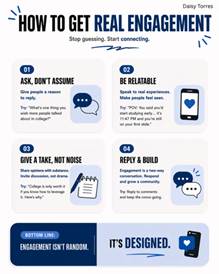
Engagement isn’t random: it’s intentional.
The video shows that small changes can make a big difference, but the bigger takeaway is understanding how people interact with content.
Because at the end of the day:
people don’t engage with content: they engage with people.
And the more you make your audience feel included, heard, and valued, the more they’ll respond.
When you start to think about engagement this way, it becomes something you can intentionally improve rather than something you hope for. Small changes in how you structure and present content can lead to big differences in how people respond. That’s what makes engagement such a powerful part of content strategy. Over time, those small changes can completely transform how your audience interacts with your content.