Social Media Goals that Should be Defined by Every Firm
Grace Stanhaus is an undergraduate student at the Gies College of Business majoring in Operations Management and Marketing with an interest in sustainable systems and org. culture.
Social Media Goals that Should be Defined by Every Firm
In the digital economy, social media has evolved from a casual communication tool into one of the most influential components of modern marketing strategy. Organizations of every size now maintain profiles across multiple platforms, yet many still struggle to define what success on these channels actually means. Posting frequently or gaining followers does not automatically translate into meaningful business outcomes. Without clearly defined goals, social media efforts can become scattered, reactive, and difficult to measure. Firms that approach these platforms strategically can transform them into powerful engines for growth, reputation, and connection. Establishing clear objectives helps guide content decisions and ensure that each post contributes to a larger purpose within the organization.
The true value of social media marketing is often overlooked. It is often reduced to the question of how social media activity can increase profit. While conversions are important and profit-focused goals are relevant to social media marketing, effective strategies balance these goals with longer-term objectives such as community building, shaping brand perception, and increasing awareness. Successful brands understand that these goals work together. Profit-oriented tactics can show direct results in the short-term, while awareness and engagement cultivate trust and loyalty across a customer base which generates stronger returns over time. The ability to apply each strategy creates a social media presence that is both sustainable and authentic. Below are some of the most important goals organizations should pursue with social media and social media marketing to see the greatest returns.
Read: Why Influencers Go Broke
Profit-Focused Goals
Driving Traffic to Your Website
One of the most common goals of social media marketing is driving traffic to a company’s website. Social media platforms are powerful tools due to their instantaneous connection and networking capabilities. Social media marketing initiatives often function best as entry points which guide audiences toward the selling side of engagement. That selling side is typically the firm’s landing page designed to convert interest into action. This represents a key tactic used in posts, videos, and stories which is to provide intentional direction. Posts should encourage users to navigate either online to the landing page to sign-up, learn more, or make a purchase, or may also encourage users to act in person. This type of post might look like a link to a blog article, a product page, or a promotional landing page that highlights a particular offer.
It is important to recognize that traffic itself is not the ultimate goal. The real profit-focused objective involves turning online visitors into subscribers, customers, or supporters; also called conversion. Conversions happen on the landing page so it should be easy to access the firm’s social media profiles in their page biography and also intermittently throughout their content. An example of this could be a banner at the bottom of a video with a link to the online shop or a caption under a post or on a story prompting users to “learn more at the link in bio” or “click here to shop.” These posts can be referred to as “selling posts” and it is extremely important to have a strong mix of other posts such as those sharing information, brand building, sustainability initiatives, or community building. Effective brands find the right mix and understand that constant selling can overwhelm audiences. It is also important that selling posts clearly and conveniently give the steps users should take to get to the landing page. Social media can become a reliable pathway that guides audiences from casual browsing toward meaningful interaction with a brand.
Launching New Products, Campaigns, or Specials
Driving traffic is an important objective, but many businesses also use social media to support direct sales. One important sales-related function of social media is lead generation. Leads are potential customers who have shown some level of interest in a product or service. Social media platforms allow businesses to gather valuable analytic information about these individuals. This may include demographics, behavior patterns, and engagement rates which help companies to understand their audience, refine their messaging, or even identify new gaps to fill in their market.
Another profit-related goal which can also be applied to awareness & perception-focused goals is spreading the word about new initiatives. Whether a company is introducing a product, promoting a seasonal campaign, or announcing a limited-time special, social media offers a fast and effective way to reach large audiences. Traditional advertising often requires longer lead times and larger budgets. Social media, by contrast, allows brands to share updates instantly and gauge audience reactions in real time. A product launch can be supported through teaser posts, countdowns, behind-the scenes previews, and interactive content that builds excitement before the official release.
This urgency and anticipation make social media a powerful tool for creating momentum. When people see others engaging with a new product or promotion, they become more likely to check it out themselves. In this way, social media amplifies the initial announcement and helps sustain interest long after the first post goes live. To summarize, social platforms serve as catalysts allowing businesses to broadcast news quickly while encouraging audiences to participate in the conversation.
Awareness and Perception-Focused Goals
Improving Seach Engine Optimization (SEO)
Many of the most valuable outcomes of social media marketing involve shaping how people perceive a brand, how often, and through what mediums/under what circumstances they encounter it. While social media posts themselves may not directly determine search rankings, they contribute to the broader digital ecosystem that search engines analyze. Content shared on social platforms increases the number of indexed pages associated with a brand. It generates engagement signals and encourages people to visit and interact with a company’s website. These interactions provide valuable data for search engines which use automated tools, sometimes referred to as spiders or crawlers, to analyze online activity.
The more consistently a brand publishes relevant content and links to its website, the more opportunities there are for search engines to recognize its presence and authority. Word counts, keywords, and content relevance all contribute to this process. Social media marketing supports SEO for the firm by expanding the amount of discoverable content associated with a business. The result is greater visibility when people search for topics related to the brand’s industry.
Read: 5 Things B2B Marketers Need to STOP Doing on Social Media
Establishing Thought Leadership
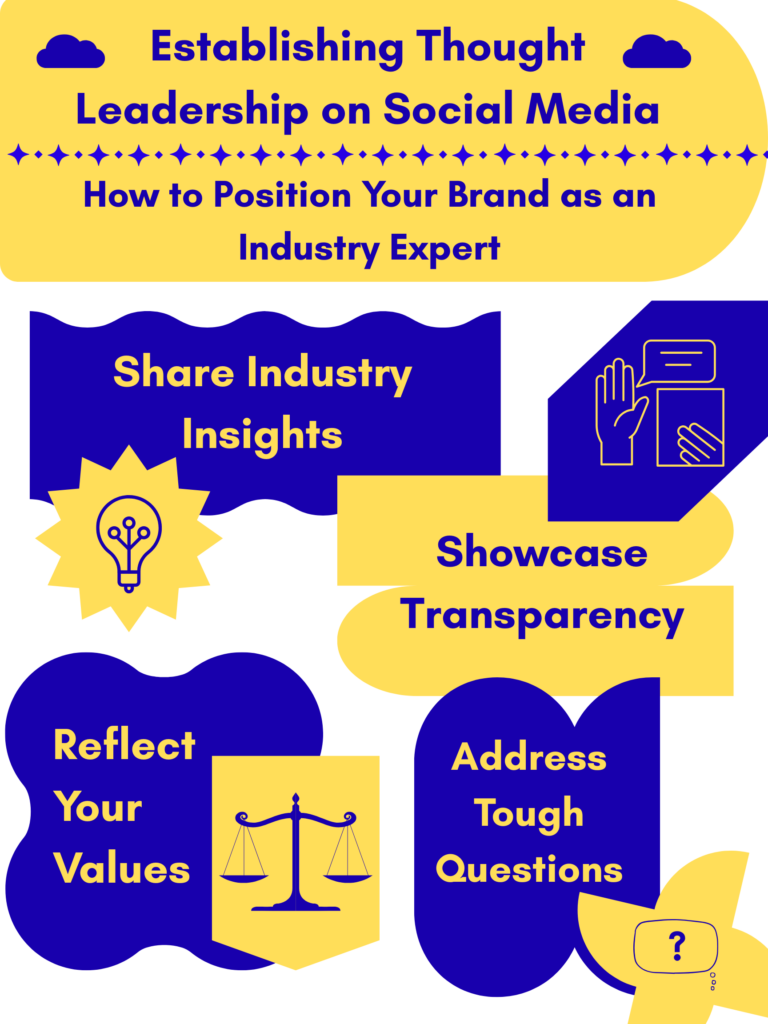
Beyond visibility, social media allows organizations to demonstrate expertise. Establishing thought leadership means positioning a brand as a credible voice within its industry, someone people trust to provide insight, guidance, and perspective. This often involves discussing the key topics that matter most within the field. Companies can share their perspectives on industry trends, explain complex ideas in accessible ways, or address the tough questions that others may avoid. These longer posts also play an important role in SEO optimization by connecting various keywords to the business.
The goal is not to dominate conversations or become overly political. Instead, it is about showing that the organization understands the issues shaping its industry and has a thoughtful approach to addressing them. Thought leadership also should reflect a company’s values. Businesses inevitably make decisions based on what they believe is important, and sharing those beliefs helps audiences understand the motivation behind the brand. This reinforcement of mission and culture can continue to provide a brand image that people remember.
Transparency plays a significant role here. When leaders openly discuss their processes, challenges, and long-term goals, audiences gain confidence in the brand’s direction. People trust organizations that appear knowledgeable and intentional about the steps they are taking. Over time, this kind of communication builds a strong reputation for the company from the perspective of multiple stakeholders.
Grace Stanhaus Infographic 1
Recruiting Potential Employees
Social media doesn’t only reach customers; it also reaches potential employees. In fact, many job seekers evaluate organizations by reviewing their online presence before applying. A company’s social media channels offer a window into its culture, priorities, and work environment. Posts highlighting team achievements, behind-the-scenes moments, or community involvement can help prospective employees imagine what it might be like to work there. Employees, partners, and community members all contribute to the brand’s success. Social media provides a space where these different groups can see how they fit into the larger picture.
Branding and Building Awareness
Branding involves shaping how people recognize and interpret a company’s identity. Every post, photo, video, and caption contributes to this ongoing process. Through social media, organizations can showcase their work, highlight satisfied customers, and communicate what they stand for. These messages gradually form impressions in the minds of viewers. Many times, these impressions can occur at a subconscious level. People may not immediately purchase a product after seeing a post, but repeated exposure helps them remember the brand when the need eventually presents itself.
Another powerful element of branding on social media is shared experience. Customers frequently post about their own interactions with products or services, creating a ripple effect of awareness. A single positive review or photo can reach hundreds of new potential customers through personal networks. In this way, social media becomes a launch pad for organic brand growth. As people share their experiences, the brand’s visibility expands naturally.
Read: How to Respond to Crisis via Social Media as a Business
Engaging and Building Community
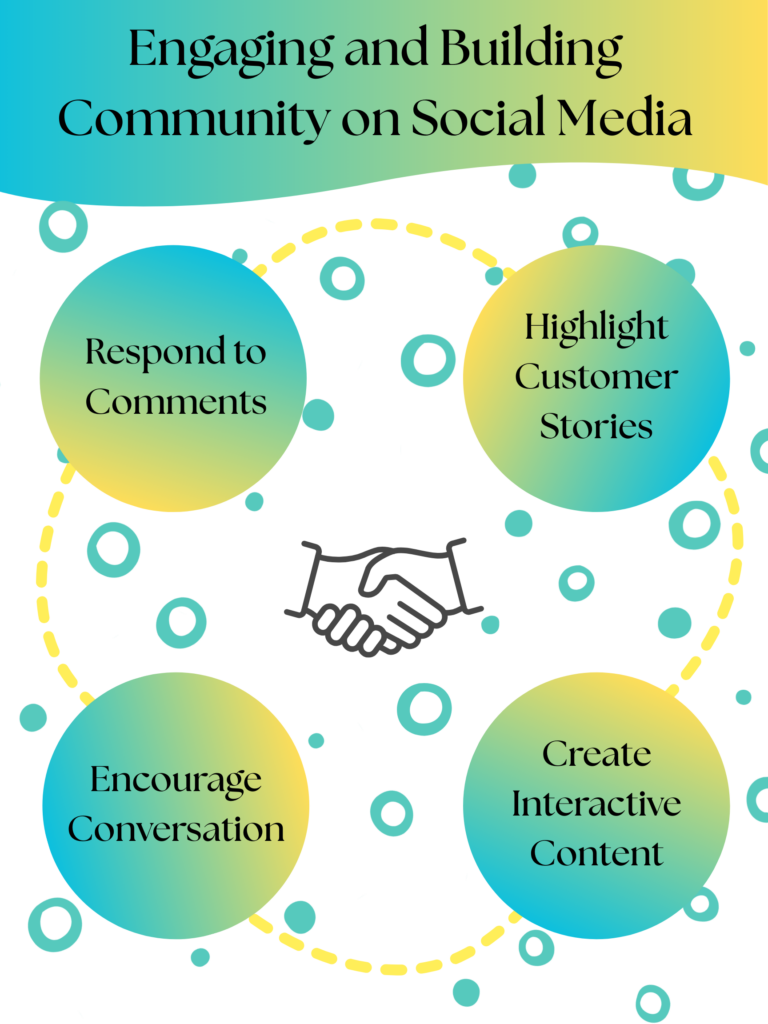
Finally, one of the most meaningful goals of social media marketing is building relationships. Social platforms are inherently interactive, making them ideal environments for engaging directly with audiences. Rather than treating followers as passive consumers, brands can create a sense of community that extends beyond the product itself. Responding to comments, highlighting customer stories, and encouraging conversation all contribute to a more personal connection. This community spirit helps humanize the brand. When people feel acknowledged and valued, they become more invested in the organization’s success.
A useful rule of thumb could be to keep the more transactional elements, or those involving purchases, on the website itself. Social media, on the other hand, should focus primarily on reinforcing the organization’s mission and vision. The emphasis should be on communication, storytelling, and shared values rather than constant selling. Maintaining this balance helps preserve authenticity. Audiences are more likely to trust brands that engage sincerely rather than those that appear solely motivated by profit.
Engagement also strengthens word-of-mouth marketing. When satisfied customers interact with a brand online, their connections notice. Personal reference from an individual in someone’s direct network often has more weight than a typical advertisement. Positive experiences spread through conversations, shares, and recommendations. Each interaction expands the network of relationships surrounding the brand. Over time, these connections accumulate into a loyal fan base. This sector of customers does not only purchase products but continues to be an advocate for the brand within their own communities.
Grace Stanhaus Infographic 2
How Our Goals Work Together
Social media marketing is most effective when it embraces both sides of the equation. Profit-focused goals such as driving traffic, generating leads, and promoting new products provide measurable outcomes that support business growth. At the same time, awareness-focused goals such as building community, establishing expertise, and strengthening brand perception create trust and familiarity that make those outcomes possible. Neither approach works well in isolation. A brand that only sells risks alienating its audience, while a brand that only engages without clear direction may struggle to convert attention into action. The real power of social media lies in its ability to connect these objectives. By combining strategic promotion with authentic communication, organizations can build a presence that is both effective and meaningful.
Ultimately, the most effective strategies recognize that every post contributes to a broader narrative about who a company is and why it matters. Traffic, conversions, and product promotion may deliver immediate financial returns, but these outcomes are strengthened when audiences already trust the brand behind them. Awareness, credibility, and community engagement cultivate that trust over time. When organizations consistently provide valuable information, invite conversation, and demonstrate authenticity, followers begin to see the brand as more than a seller of products or services. They see it as a participant in their daily digital environment. When companies balance profit-driven tactics with genuine engagement and thoughtful communication, they can build social media ecosystems and digital footprints that support both measurable business growth and enduring customer loyalty.