The Best YouTube Genres for College Students (That Aren’t OnlyFans)
By: Jeanette Tenemaza
Jeanette Tenemaza is a marketing student at the University of Illinois Urbana-Champaign interested in digital marketing, branding, and social media strategy.
The Best YouTube Genres for College Students (That Aren’t OnlyFans)
The thought of starting a YouTube channel in college could be running through your mind right now. Between all the classes, part‑time jobs out there, and trying to have a social life, a lot of students are always looking for creative outlets and maybe even a way to make a little extra money through social media. But the moment you start researching “How to grow on YouTube,” the advice they give could make things difficult and overwhelming.
- Buying expensive equipment
- Posting every day
- Building a brand
- Optimizing your thumbnails
- And basically becoming a full‑time creator overnight
With the busy student life, this really isn’t realistic for most students.
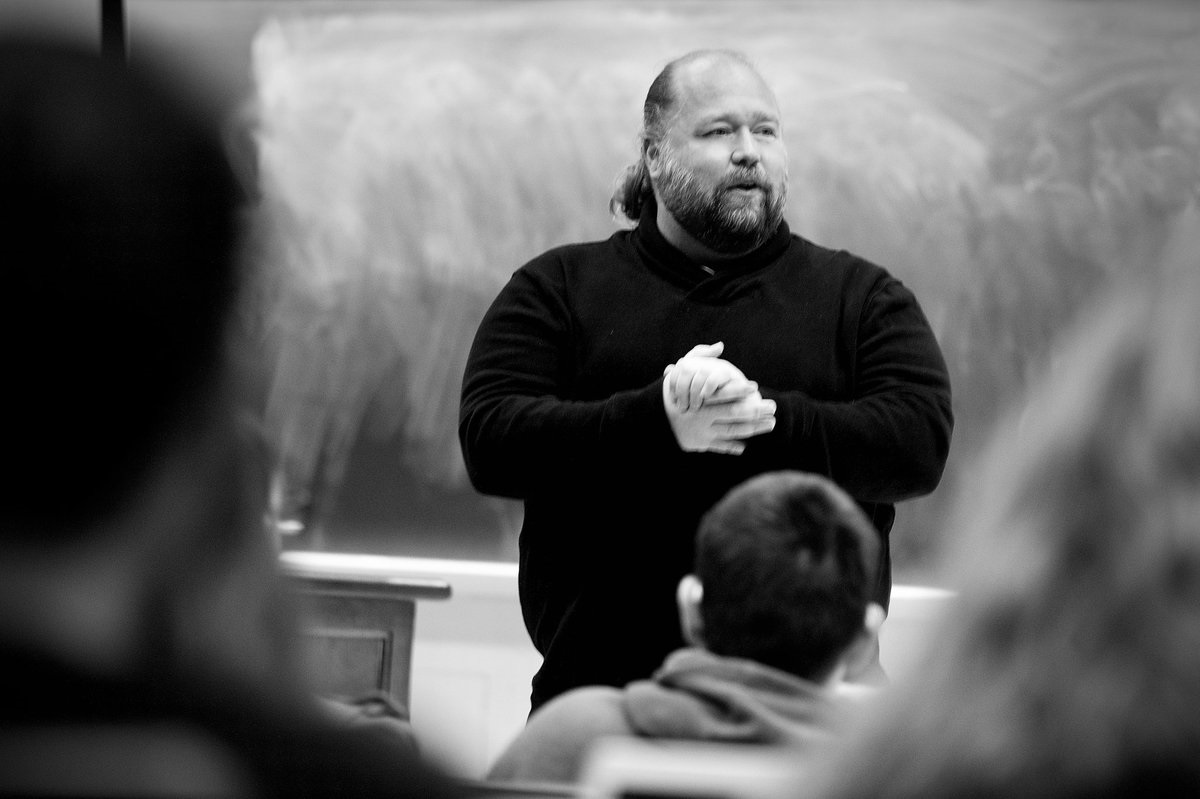
This is what Professor Wolters explains well in the video, “BEST YouTube Genres for College Students That Are NOT OnlyFans.” It feels like a breath of fresh air for students looking for the right advice to get started on YouTube. Instead of pushing students toward trends or clickbait, he breaks down six YouTube genres that are actually doable, even with juggling homework, roommates, and a student‑budget lifestyle.
This blog will help you decide which genre might be the best fit for you by expanding on those six genres, adding real examples, and giving you practical tips for getting started, without burning out or spending money you don’t have.
Why College Students Are Perfect for YouTube
Before getting to the nitty-gritty and breaking down the genres, I honestly believe that college students are in one of the best life stages to start a YouTube channel, and here is why:
- You’re surrounded by stories, experiences, and relatable moments.
- You’re constantly learning new things, which is content gold.
- You’re already part of a built‑in community (your campus).
- You don’t need to pretend to be an expert; people love authenticity.
- YouTube is a long‑term platform, so starting now gives you a head start.
You don’t need a fancy camera. You don’t need a studio. You don’t need a perfect plan. You just need your phone and a topic that fits your life. And that’s where these six genres come in.
#1: College Life Content
Easiest because you are living it.
College life content works because it’s relatable, helpful, and fun to watch. Students want to see what other students are doing, how they’re surviving, and what campus life looks like somewhere else, or how it could look, before attending their college or university.
Examples could vary depending on the student’s major; for example, a day in the life of a business major. More broad examples include dorm room tours and campus food reviews, or how Professor Wolters mentioned he wished he knew while in school, how to avoid that fungus in the dorm showers, which is so relatable. Other relatable examples could include balancing classes or creating study routines while balancing work and social life. One of my personal favorites is what I wish I’d known before freshman year, which covers most of the content examples in college life and is super useful for incoming college students looking for valuable advice.
This genre works because you do not need a script, your life is the content, and you can film with your phone, which doesn’t leave the hands of modern-day college students. But one thing students may not like is being perfect rather than authentic. This can build community quickly, especially if you already have a community in college. So, making college life videos should feel real and dynamic, and anyone can do this by avoiding over-editing and showing the messy parts, like late nights or chaotic mornings. It should feel like you are on FaceTime with a friend.
#2: Budget Lifestyle Content
If you want to save money, chances are other students do too!
Budget lifestyle content is one of the most popular genres among young adults. Everyone wants to know how to stretch their money, especially with rising tuition, rent, and food costs. Some video ideas that I think should be emphasized are how to meal prep on a small budget (e.g., $50 a week), cheap Amazon finds for your college dorm or apartment, thrift-store hauls, and free things you can get on campus.
Overall, this genre works because it’s useful and evergreen, as people search for this type of video year-round. Also, you do not need to spend money to make content about saving money, and brands love sponsoring budget-friendly creators.
Some tips for budget content include being honest about what you actually use and showing real prices. Do not be afraid to include mistakes, like the meal prep that didn’t work, while keeping it practical and not preachy.
#3: Career Prep Content
Young adults who go to college eventually need help with internships, resumes, and job hunting.
This content is extensive. Students are stressed about the future, and believe me, I am too. If you have gone through an internship search, a resume workshop, or a career fair, you already have valuable insight into how to search for these opportunities and how to prepare to attend these events that can help others.
These career prep videos could cover how you got an internship, resume tips for business majors, how to dress for a career fair, how to communicate and network without being awkward (which many students may face), or LinkedIn profile tips for students looking to impress recruiters and help them stand out.
This genre works because, personally, I would trust other students more than corporate advice, since they are in my shoes right now. Also, you do not need to be an expert; students are looking for your experience with career prep, which positions you as a motivated, career-focused creator. There is also the potential that recruiters are actually watching this content.
Some tips for career-prep content include keeping it simple and avoiding shenanigans. For example, sharing real stories and not generic advice. Including how you kept developing your resume, or as I like to call it, “resume glow up”, to encourage students and not be so intimidating. You can also share stories about times when conversations with recruiters didn’t go well, showing that networking is a skill that takes practice and setbacks are a normal part of the process.
Read: What is Retargeting & Why Amazon Ads Follow You Around the Internet
#4: Education Content
Teaching what you know is important, even if you are still learning it.
One of the tips Professor Wolters mentions is that educational content doesn’t require you to be a professor. You just need to explain something clearly, especially if you know you are doing well in a course and other students are having trouble understanding the professor.
Educational videos thrive on breaking down confusing class topics. Some examples of educational videos include how-to study for accounting exams and productivity tips that actually work.
This genre especially works because students constantly seek help. A reason could be that they are afraid to go to office hours or take an asynchronous course. Also, YouTube rewards educational content in its algorithm. This means that you can become a resource rather than just entertainment, which can build credibility for future jobs.
If this seems like your type of content, I recommend using simple language, adding visuals, or screen recordings. Also, lengthy videos may feel like attending a lecture all over again, so keeping them under 15 minutes is ideal in my opinion. That way, you can focus on the topic’s clarity rather than perfecting it, and retain that attention through a second part posted later.
Read: What Every Freshmen Student Should Know Going into College
#5: Niche Entertainment Content
You don’t necessarily have to search for a niche when your personality becomes the niche.
Niche entertainment is where you can be creative, weird, funny, or dramatic, whatever best fits your vibe.
Each niche has its own subjects. Some examples are:
- Campus comedy skits
- Reaction videos
- Storytime videos
- Ranking campus dining halls
- Trying every boba spot around campus.
These topics often work because it’s fun to make and definitely entertaining to watch. They also feel relatable to students who may share similar experiences on campus. You can build a loyal audience this way and fast because you don’t need a huge budget, just your creativity and your personality.
One thing to keep in mind is that entertainment-based content heavily relies on personality. Because there are a variety of creators out there who may also create niche content, standing out will typically depend on your enthusiasm, energy, sense of humor, or unique perspectives. In addition to the content, the audience frequently subscribes because they enjoy the creator themselves.
The goal is to lean into your personality and keep the videos engaging and fast-paced. Using trending sounds, editing styles, or popular formats can help your content reach and attract new audiences. At the same time, you don’t need to try to be perfect. It is important that you just be yourself because that is what often attracts views in the first place.
#6: Hobby-Based Content
Turn your passions and doing what you love into content.
Your hobbies are your built-in niche. Whether you love fitness, cooking, gaming, fashion, music, or photography, there’s an audience for it. One of the most enjoyable ways to create content is by focusing on your hobbies. What do you love doing in your spare time? What’s something you’re good at or know a lot about? Hobbies naturally give you endless ideas because it already involves activities you enjoy and that others may enjoy as well, or want to learn about if they are looking for a new hobby to take up.
For example, someone interested in fashion could create videos about styling outfits with clothes they already have in their closet or reviewing different clothing brands. Similarly, someone who enjoys playing video games could share their gameplay strategies or reactions to new game releases.
There are many examples of the types of videos you can make from these hobbies. A few examples include:
- Fitness and workout routines
- Cooking or baking
- Outdoor activities
- Sports commentary/analysis
- Music or art
This genre works because hobbies involve personal interests, which means that you are already passionate about the content you will produce, and this passion often makes videos more engaging and authentic to watch.
Another advantage of hobby-based content is that it allows you to easily connect with communities of people who share the same interests/hobbies. Some viewers may not often see videos that focus on the hobbies they care about, so discovering content about those interests can make them feel seen. Hobbies are meant to be a creative outlet, so why not share them with the world?
How to Choose the Right Genre for You
If you’re stuck between genres, ask yourself these questions:
- What comes naturally when I talk to friends?
- What advice have people asked me for?
- How can I film without overthinking what it is?
- Why be stressed? Just have fun with it.
Choose the genre that best fits you, not the one that seems the most profitable.
Read: 10 Ways to Blow Your Personal Brand
Final Thoughts
Starting a YouTube channel as a college student may seem a little scary at first, especially when so much advice online makes it feel like you need a lot to begin with, but it does not have to be complicated or expensive. As Professor Wolters highlights, college students already have everything they need to start creating content. The most important step is choosing your topic and then beginning to create your content.
College students already possess valuable experiences that others want to learn about, whether that is by sharing daily routines, dorm life, budgeting strategies, career prep advice, educational insights, or diving into a hobby you love. These genres can help create content that is both helpful and engaging. People will enjoy content that is authentic and relatable, so choose something that you are passionate about.
The six genres mentioned in this blog and the video are not meant to limit your creativity but serve as a starting point if you’re struggling with where to start and what type of content you want to make. All you have to do is go for it, no matter if your first video doesn’t do well, because not everyone gets viral overnight. For anyone considering starting a YouTube Channel or content creation in general, college is one of the best times to start. So, if you have been thinking about creating content, this is your sign to give it a try.