Influencer Hunting: How to Survive the Jungle and Choose the Right Creator
Influencer Hunting: How to Survive the Jungle and Choose the Right Creator
Victoria Rangel – Victoria is a Marketing Major at the University of Illinois Gies College of Business and spends her free time researching social media trends and the influencer economy.
One bad pick, and suddenly your brand is lost in the vines. Influencer marketing can feel a lot like a jungle. There’s noise everywhere, flashy colors in every direction, and plenty of creatures competing for their five seconds of fame. Some creatures look like the perfect fit at first glance: huge followings, polished content, and just enough confidence to make a brand think: “yes, this is the one!”. But in influencer marketing, appearances can be deceiving and the jungle can be full of traps.
Just look at the Mikayla Nogueira mascara controversy. In 2023, beauty influencer Mikayla faced inmense backlash after viewers accused her of using false lashes in a sponsored mascara video for L’Oréal’s Telescopic Lift mascara, turning what should have been an authentic brand partnership into a viral conversation about trust, brand deal disclosure, and whether followers were being misled. The issue was bigger than just mascara. It reminded marketers that when audiences start questioning the honesty of an influencer, they may start questioning the brand too.
Learn more here: https://time.com/6250881/mikayla-nogueira-mascara-fake-eyelashes/
That is what makes influencer selection so important for brands. Choosing the wrong influencer does not just lead to a failing campaign. It can damage your reputation, make customers feel manipulated, and weaken the image a brand has built. In other words, one wrong step in the jungle and your brand is not swinging confidently through the vines, it is stuck in the mud while the comments section eats you alive.
The good news is that influencer marketing still works incredibly well when brands choose wisely. People may not trust ads the way they once did, but they still trust people they feel connected to. That trust is what makes influencer partnerships so powerful. That being said, the challenge for marketers is to figure out who is actually worth following into the jungle.
So before your brand grabs a map, binoculars and puts on its boots, it helps to know what signs to look for. Not every creator with a ring light is the king or queen of the jungle. Some are the real deal. Others are just very good at camouflaging.
Read: 5 Social Media Fundamentals All Social Media Managers Should Know
Why the Influencer Jungle Matters
Consumers are constantly surrounded by traditional advertisements. They skip commercials in between Love Island episodes, scroll past banner ads, and often approach corporate messaging with skepticism. Influencers are different because they feel familiar, real, and entertaining. Audiences follow them by choice, hear their opinions regularly, and often see them as more relatable than the brands trying to sell to them.
That is why influencer marketing works. It feels closer to a recommendation made by a friend rather than a commercial.
When a creator has built genuine trust with their followers, their endorsement can carry real weight. A skincare recommendation from a beauty creator who struggles with acne or a restaurant shoutout from a food reviewer in your city often feels more believable than a polished ad campaign. But that only works when the creator still feels truthful.
The second audiences sense something is fake, fabricated, or dishonest, the partnership starts to crack and the audience turns feral. That is why influencer hunting is not just about finding someone popular. It is about finding someone who can help your brand build trust instead of lose it.
Step out of the cave: Start With Research
The first rule of influencer hunting is simple: do not just chase the loudest roar in the jungle.
Follower count can be tempting. It is easy to assume that the creator with the biggest audience is the best one to work with. Smart marketers know that reach means very little without relevance.
Before contacting anyone, brands need to do a deep dive. That means looking at an influencer’s content across platforms, reviewing what kinds of partnerships they have done in the past, and understanding what they are actually known for. If a company sells fitness supplements, it makes much more sense to work with a creator whose audience aligns with wellness and the gym content rather than one who just happens to be internet famous.
Research also means studying the influencer’s tone, style, and posting consistency. Is their content informative? Funny? Chaotic? Highly polished? Do they seem thoughtful and selective with brand partnerships, or do they post a new sponsored “favorite” every week like they are a panther pouncing on the nearest prey?
A brand should not just ask, “How big is this creator online?” but instead ask, “Why did they gain this platform?”
That answer matters much more.
Read: How to Stick Out in a Saturated Social Media Landscape
Don’t Get Distracted by Bright Feathers: Check Content Quality
In the jungle, bright feathers are impressive, but they do not tell you everything. The same goes for influencer content.
An influencer may have professional editing, great lighting, and a polished feed, but that does not automatically mean they are the right fit for a campaign. Marketers need to look closely at the quality of both their regular content and their sponsored posts.
Does the sponsored content feel natural, or does it feel like the creator was handed a script and a paycheck five minutes before filming? Do they know how to integrate products into their content in a way that feels seamless? Or does every advertisement sound and feel rehearsed?
Audiences are smart. They can tell when a recommendation is inauthentic. The best influencers know how to make promotions feel like part of their normal content rather than a complete interruption of that audiences want to see from them. That skill is what separates a creator who can genuinely move an audience from one who just posts ads in good lighting.
Follow the Tracks: Look for Value Alignment
One of the easiest ways to end up lost is to partner with someone whose values do not match your brand.
If your company is family-friendly, community-focused, or built around trust, partnering with a creator known for controversy or inconsistency can create a disconnect. Even if they have a huge audience, the message may not land the way the brand intends.
When values align, partnerships feel smoother and more authentic. In fact, audiences will get excited for the partnership and the opportunity for the creator. The influencer is not forcing themselves to pretend they care about something. They already do, which makes the collaboration stronger.
Of course, some brands are willing to overlook value mismatches if the creator has enough reach. That happens. Sometimes the numbers win. But if a company wants a partnership that strengthens long-term trust, alignment matters a lot.
The goal is not just visibility. It is credibility.
Read: Common Mistakes Brands & Influencers Make on X
Peek Inside the Explorer’s Bag: Ask for the Media Kit
A media kit is one of the most useful tools marketers can request during the influencer selection process. Think of it as the influencer’s field guide. It usually includes follower counts, platform breakdowns, audience demographics, engagement metrics, previous partnerships, and examples of past work.
This information can be helpful, but it should never be treated like the law of the jungle. A media kit is still a marketing document. Its entire job is to make the influencer look impressive.
That means brands should use it as a starting point, but not the final answer.
If the media kit says a creator has strong engagement, look at their recent posts and see if that is actually true. If it lists certain industries as strengths, check whether those partnerships would actually make sense for the brand. A polished document may help open the trail, but it should not replace real research.
Beware of the Follower Mirage
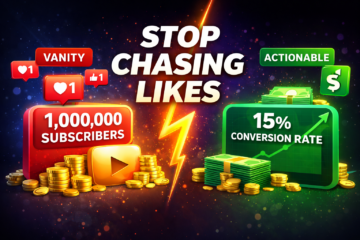
One of the biggest mistakes brands make is confusing audience size with audience impact.
A creator with millions of followers might look like a dream partnership, but if their engagement is weak or their audience is not paying attention, the campaign may not go very far. Viewership does not always translate to sales. Sometimes, the smaller niche creator may have a highly engaged community that genuinely trusts what they say.
That is why marketers need to look beyond subscriber counts. Views, comments, likes, shares, and overall engagement can tell a much clearer story. If people are actively responding to content, that usually means the creator has influence that goes beyond just appearing popular.
Micro-influencers are especially important here. They may not be the lions of the jungle in terms of size, but they often know their territory extremely well. Their communities are usually more specific, more loyal, and more likely to listen to them.
Sometimes the best hunting happens in smaller spaces.
Read: The Complete Guide to Influencer Campaigns
Watch for Traps: Influencer Fraud Is Real
Not every footprint in the jungle is real.
Influencer fraud is one of the biggest risks brands face when choosing creators to work with. Fake followers, bought engagement, and suspicious spikes in audience growth can make a creator look much more influential than they actually are. SocialBlade and Social Bluebook as ways marketers can start checking numbers, and that is valuable because fake popularity can be expensive if a brand mistakes it for real influence.
Warning signs are usually there if a brand takes the time to look. A huge following paired with very low engagement is one clue. Strange bursts of growth followed by flat activity is another. Generic comments that seem copied and pasted can also suggest that something is off.
Fraud matters because brands are not paying for vanity. They are paying for access to real people.
If those people are bots, the campaign is already dead on arrival.
Test the Terrain: Reliability Matters Too
A great influencer is not just creative or interesting. They are also reliable.
This part is easy to overlook because marketers often get distracted by aesthetics and reach. But once a partnership begins, professionalism suddenly becomes very important. Does the influencer respond to emails in a reasonable amount of time? Do they meet deadlines? Are they easy to work with? Do they communicate clearly when expectations change? Are they engaging in controversial behaviors that to not align with brand values?
If an influencer makes every step of the process harder, it does not matter how nice their content looks. A quality campaign still has to get done.
This is why keeping notes on influencer partnerships can be so helpful. If a creator delivers strong results and is easy to work with, they may become a valuable long-term partner. If they disappear for days, miss deadlines, and act like basic communication is a privilege or an exotic jungle bird nobody has ever seen before, that is useful information too.
Ask the Other Explorers: Check References
A smart marketer does not just trust what they are told. They verify.
If an influencer claims to have worked with major brands before, it is reasonable to ask for references or examples of previous campaigns. Some marketers avoid this because they think it seems too formal, but in reality, it is just good business.
Past partners can offer insight into what the collaboration was actually like. Did the influencer deliver what they promised? Were they professional? Did the content perform well? Sometimes this step confirms that the creator is a great fit. Other times it reveals that the influencer’s story is more weeds than trunks.
When lots of money, brand reputation, and your audience’s trust are involved, double-checking is alwaysssssssss worth it.
The Best Hunters Don’t Just Chase Reach — They Track Trust
That is really the heart of influencer marketing.
Brands are not just borrowing someone’s audience. They are borrowing someone’s credibility and taking on their reputation aswell. Any mistake in the eyes of the internet could be detrimental. That is why picking the right influencer matters so much. A good partnership can make a brand feel more human, more relevant, and more connected to its target market. A bad one can make the entire campaign feel fake.
The Mikayla mascara controversy became such a big deal because audiences were not just debating about makeup. They were reacting to the feeling misled by someone they trusted. Once that feeling shows up, trust becomes much harder to rebuild and the brand gets caught in the middle.
That is why influencer hunting should never be rushed. The best marketers are not just scanning for the prettiest flower in the jungle. They are looking for the right fit: someone credible, relevant, engaging, and aligned with the message the brand wants to send.
Read: Best Practices for Influencers to Make Money on Affiliate Programs
Final Roar: Choose Carefully
Influencer marketing is powerful because people trust people. But that trust is fragile. One partnership that feels dishonest, tone-deaf, or obviously transactional can weaken the relationship between a brand and its audience.
That is why choosing an influencer should be treated like a real strategic decision, not a popularity contest.
The best influencer for a brand is not always the loudest, biggest, or flashiest option in the jungle. It is the one who can connect with the right audience in a way that feels believable, natural, and worth listening to.
In the end, successful influencer hunting is not about catching the biggest creature in the jungle. It is about finding the right guide to walk your audience safely through it.